Southern California Safety Institute
EXCELLENCE IN AVIATION SAFETY TRAINING FOR OVER 35 YEARS
View Course List Latest SCSI NewsAVIATION SAFETY, INVESTIGATION AND PREVENTION CERTIFICATION PROGRAMS
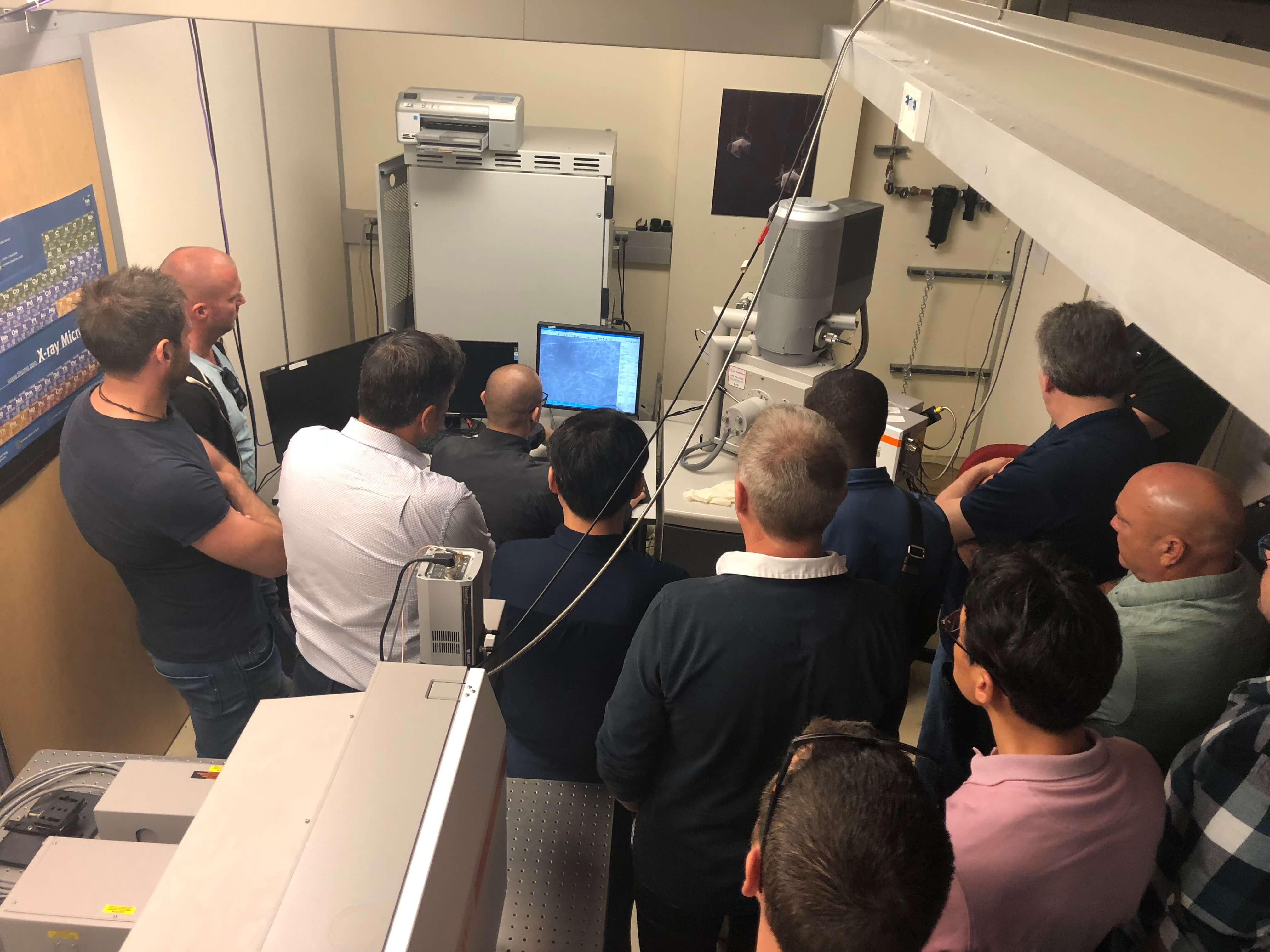

Aviation Safety And Investigation Training The World Over
Contract courses are available worldwide
From Norway to Nigeria and Sydney to Abu Dhabi, SCSI conducts contract courses tailored to your organization's specific needs.
Companies We Love to Work With
Just a few of our clients














Blood Borne Pathogens Training
Refresh your blood borne pathogens training (ICAO requirement) during our Aircraft Accident Investigation (AAI) course
Operational Risk Management
Risk Management is a systems-based approach that focuses on the identification of hazards involved in each aspect of the operation.
Our Crash Labs
From Slovenia to Sydney to Redondo Beach, California, SCSI has assembled a multitude of wreckages that provide you with current, pertinent AND challenging learning scenarios.
Helicopter Accident Investigations
From vortex ring-state to gearbox failures and everything in-between, our Helicopter Accident Investigation course will provide you with the tools and methodology to properly investigate these unique accidents.