A military course
Flight Safety Officer Course
(FSO)

Course Description

This course is designed to provide individuals with a working knowledge of aircraft mishap prevention and mishap investigation procedures, policies and techniques. Course graduates will be capable of performing the duties of a full-time organizational or installation flight safety officer and as the investigator for aircraft mishaps of all classes.

Who Should Attend

  • Military personnel who will be assigned as organizational flight safety officers.
  • Anyone who needs an in-depth understanding of the military mishap prevention process.

How You Will Benefit

  • You will gain the knowledge and techniques to establish, administer and evaluate an installation-level aircraft mishap prevention program. If desired and the appropriate directives are provided, the program will be tailored to the requirements of the customer’s rules and requirements.
  • You will acquire a basic understanding of human factors, human performance and the physiological limitations that apply to mishap prevention in the aviation environment.
  • You will learn the basics of the Human Factors Analysis and Classification System (HFACS) and how to employ this powerful tool.
  • This course covers all aspects of investigation from applicable rules and regulations through investigation technology, analysis and reports.
  • The participant develops an understanding of the entire investigation process and is well prepared to participate in future investigations.

Course Topics

  • History of Aviation Safety
  • Safety Theories and Philosophy
  • Fundamentals of Prevention
  • Mishap Prevention Concepts
  • Aviation Safety Agencies
  • The Organization and Elements of A Safety Program
  • An overview of Applicable Rules and Regulations
  • Basic Management Concepts for Flight Safety Officers
  • Legal Issues Arising in Flight Safety
  • The Elements of a Flight Safety Program
  • Bird strike Avoidance
  • Midair Collision Avoidance
  • High Accident Potential Program
  • Hazardous Air Traffic Reports
  • Disaster Response Planning and Exercises
  • Operational Risk Management
  • Distribution of Safety Information and Information Reporting Systems
  • Hazard Reporting Systems and Hazard Elimination
  • The Duties of a Flight Safety Officer
  • Safety Inspections and Audits
  • Flight Safety Meetings
  • Safety Education and Training
  • Safety Awards Programs
  • Airfield Safety
  • Flight Safety in Aircraft Maintenance
  • Aging Aircraft Issues
  • Safety Issues for Deployed Operations
  • Flight Safety Analysis Techniques
  • The Military Investigation Process (USA)
  • International Investigation Procedures (ICAO)
  • Preparing for Investigation
  • Safety at the Crash Site
  • Priorities and Initial Actions
  • Investigation Techniques for: Engines, Structures, Fire, Aircraft Systems, Instruments, and Recording Devices
  • Wreckage Recovery and Reconstruction
  • Photography and Diagrams
  • Midair Collisions
  • Interviewing Witnesses
  • Behavior of Materials
  • Using the Global Positioning Satellite (GPS) System
  • Aircraft Performance Factors
  • Computers and Simulation
  • Human Factors and Accident Pathology
  • Analytical Techniques
  • Reporting Requirements
  • Construction of Reports
  • Investigation Management

Classroom InstructionTeam Activities
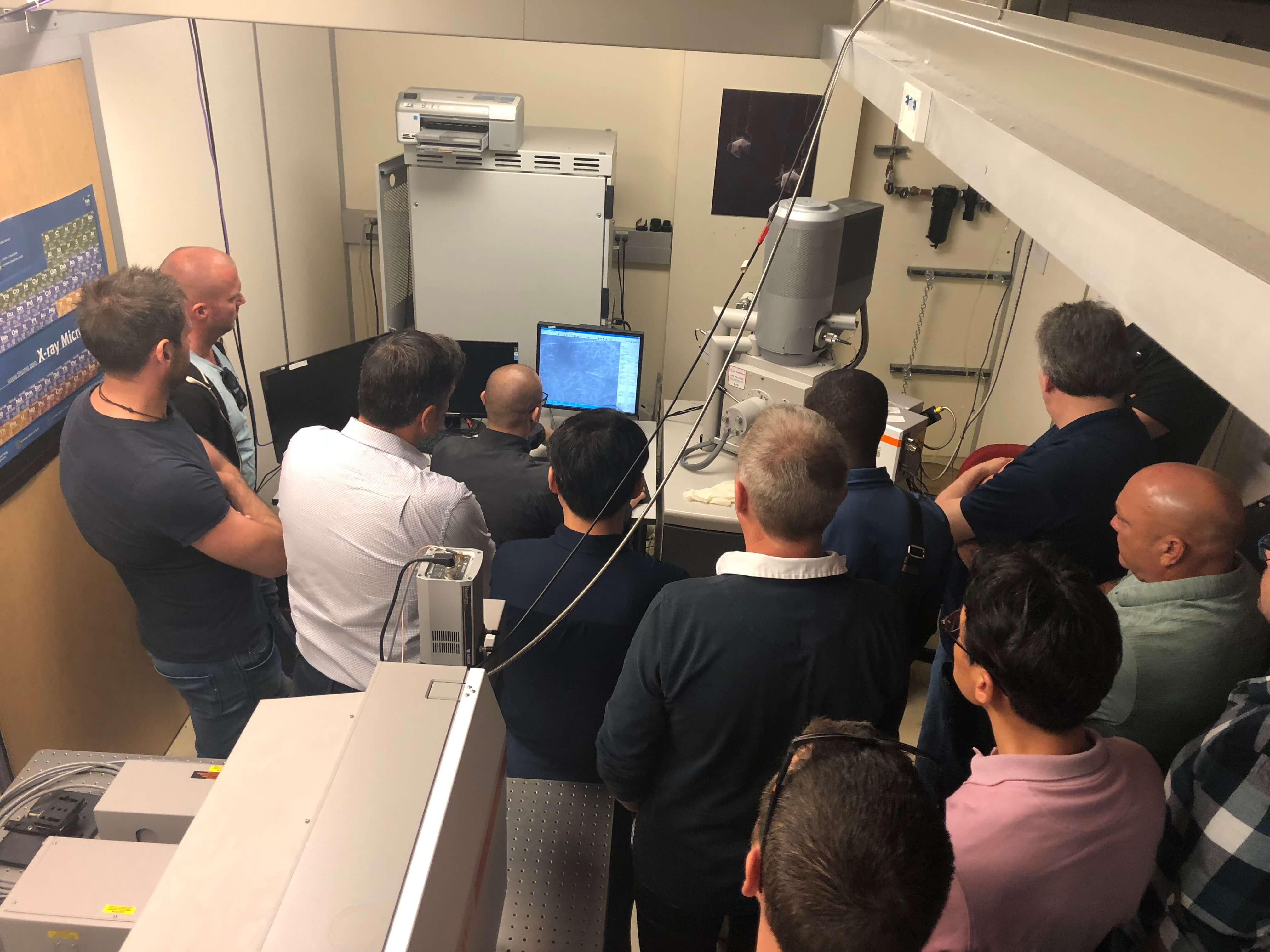
Helicopter and Fix-wing Investigation at the Crash Laboratory

Subjects and Instructors*

  • Aircraft Mishap Investigation Gary R. Morphew, Director of Aircraft Accident Investigation, SCSI, and LtCol, USAF (Retired) — 24 hours
  • Helicopter Accident Investigation James Armour, Major, CF (Retired) — 12 hours
  • Photography Frank Snapp, LtCol, USAF (Retired) — 4 hours
  • Aviation Crash Laboratory (Morphew, Armour, Snapp, Preteska) — 24 hours
  • Safety Management Systems Michael Doiron, Director of Safety Management Systems, SCSI, and Transport Canada (Retired) — 40 hours
  • Organizational Change Gary Hook, LtCol, CF (Retired) — 12 hours
  • Aviation Safety Technology Stephen Preteska, LtCol, USAF (Retired) — 16 hours
  • Physiology/Aeromedical Investigations Tarek Sardana, MD, Major, CF (Retired) — 12 hours
  • Human Factors in Aviation Richard Anglemyer, LtCol, USAF (Retired) — 16 hours

TOTAL: 160 hours
*Please note that instructors are subject to change

English Language Requirement

All course materials will be presented in English. In order assure understanding, SCSI desires an ICAO Level 4 English Proficiency. Upon enrollment, SCSI will offer a simple Proficiency evaluation for attendees to determine their ICAO Level for English communication skills.

Through ClimbLevel4, a cooperative between Mayflower College and Carnegie Speech, SCSI will offer a free on-line evaluation for any registrant. This will provide you with a free evaluation upon which to decide if comprehension is sufficient. This evaluation comes with 4 hours of instruction in aviation English understanding.

SCSI will assign a User Identification and password as well as the website to be used for the on-line evaluation. Results will be sent directly to the attendee taking the evaluation. If results of the evaluation seem to indicate a need for some English language proficiency training, ClimbLevel4 has the best on-line instructional programs available at a most reasonable price.

While SCSI desires a, ICAO Level 4 proficiency, we will not restrict attendance only to those who can demonstrate the level 4 standard. However, with this information we will be better able to recognize when understanding may not be at the level we seek and provide additional instruction when warranted.

If a participant can demonstrate qualification of ICAO Level 4 proficiency, we will waive the evaluation.

Simultaneous Translation

Alternatively, SCSI can arrange for simultaneous translation of the course lecture presentations into a language desired by the contracting individual/organization. The cost for Simultaneous Translation is not included in the course tuition. The cost for the entire four week program is $2640/week or $10,560 for the FSO course, plus the cost of translator travel (if necessary). Depending on the language required and the number of students enrolled requiring the service some per-student discounts may apply.

Contact SCSI at least 90 days prior to the class for a firm-fixed quote for Simultaneous Translation Services.

Course Administration

This course will be conducted at the DoubleTree Hotel on the waterfront in San Pedro, California. Classes begin daily at 0800 and end at 1700.

Tuition is US$5200.

Through a special negotiation with the DoubleTree Hotel, SCSI is pleased to offer a complete support package for any attendee whose funding benefits from a single payer for the course.

Special pricing is available for multiple enrollment and for U.S. Government customers. Please contact the registrar for more information.

This course is also available as a contract course to be delivered at the customer’s location or at the DoubleTree Hotel in San Pedro. When in Southern California the course will include time in the SCSI Crash Lab.

Contact SCSI at 310-517-8844 x104 or 800-545-3766 x104 (US and Canada only) for details on this course.